One day, I watched a friend apply daily sunscreen in a very thin layer because she disliked the white cast. It looked smooth and natural on the skin, but in reality, it was almost like not applying sunscreen at all — even though the product was SPF50.
It reminded me of something I see surprisingly often during skin consultations. Many people wear sunscreen every day, but they don’t always use it in a way that provides the protection they expect.
The effectiveness of sunscreen changes depending on:
- how much you apply,
- when you apply it,
- and where you apply it.
1. How Much Daily Sunscreen Should You Apply?
The most common mistake is simply the amount.
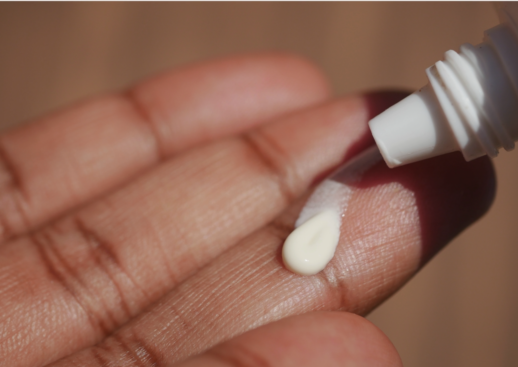
SPF values are tested using a standardized application amount. If significantly less sunscreen is applied, the level of UV protection may be lower than the SPF shown on the label. For an average adult face, roughly a one-dollar coin size amount is recommended.
However, many people apply far less than this.
When daily sunscreen is applied too thinly, the actual UV protection drops significantly.
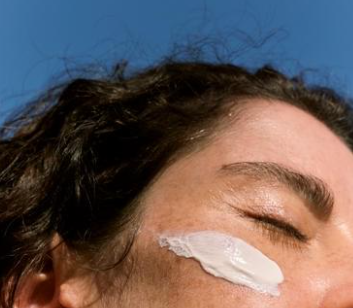
At the same time, sunscreen should not be applied as one thick heavy layer. Thin layering and gently pressing the product into the skin creates a much more stable finish and also reduces pilling.
2. Timing Matters More Than You Think
Do you apply sunscreen immediately after skincare while your skin is still damp?
Waiting just a few minutes allows your skincare products to settle and helps sunscreen spread more evenly across the skin.
If skincare products have not fully absorbed:
- sunscreen may not form an even protective layer,
- makeup may pill,
- and the product may sit unevenly on the skin.
Even waiting a few minutes after skincare can improve how sunscreen adheres to the skin.
Something as simple as brushing your hair first or changing the order of your routine can make a noticeable difference.
3. Do You Apply Sunscreen Only on Your Face?
Many people focus only on the face, but UV aging often appears strongly on thinner and more exposed areas such as:
- the neck,
- ears,
- hands,
- and wrists.
These areas are exposed to sunlight daily, which means pigmentation and loss of elasticity can develop faster over time.
Hands especially require more frequent reapplication because they are constantly washed throughout the day.
The neck and hands often reveal signs of aging earlier than the face because they are protected less consistently.
4. Chemical vs Mineral Sunscreen
Chemical Sunscreen
Chemical sunscreen absorbs UV rays and converts them into heat.
It is generally:
- lightweight,
- hydrating,
- and less likely to leave a white cast.
This type is often preferred for:
- dry skin,
- makeup wearers,
- and people who dislike heavy textures.
However, some people may experience:
- stinging,
- eye irritation,
- or sensitivity,
especially when the skin barrier is weakened.
Mineral Sunscreen
Mineral sunscreen reflects or scatters UV rays on the skin surface.
It is usually:
- gentler,
- more suitable for sensitive skin,
- and more comfortable for compromised skin barriers.
However, depending on the formula, it may feel:
- thicker,
- drier,
- or leave a white cast.
Fortunately, many newer formulations have improved significantly in texture and comfort. Neither type is universally better. The right sunscreen depends on your skin type, skin condition, and whether you can wear it comfortably every day.
Healthy Skin Is Built Through Daily Habits
A good sunscreen is not simply the most famous product or the one with the highest SPF number.
The best sunscreen is one that your skin can comfortably tolerate every single day.
Especially for people with:
- dry skin,
- sensitive skin,
- or weakened skin barriers,
texture, comfort, and irritation level matter just as much as UV protection itself.
Sunscreen is not just a cosmetic step.
It is a long-term skin health habit.
Daily sunscreen is one of the simplest habits you can build for healthier skin.
When applied correctly and consistently, daily sunscreen helps protect not only your face but also your neck, hands, and other exposed areas from premature skin aging.
If you’re not sure which sunscreen suits your skin type, a personalized skin consultation can help you build a routine that fits your skin.